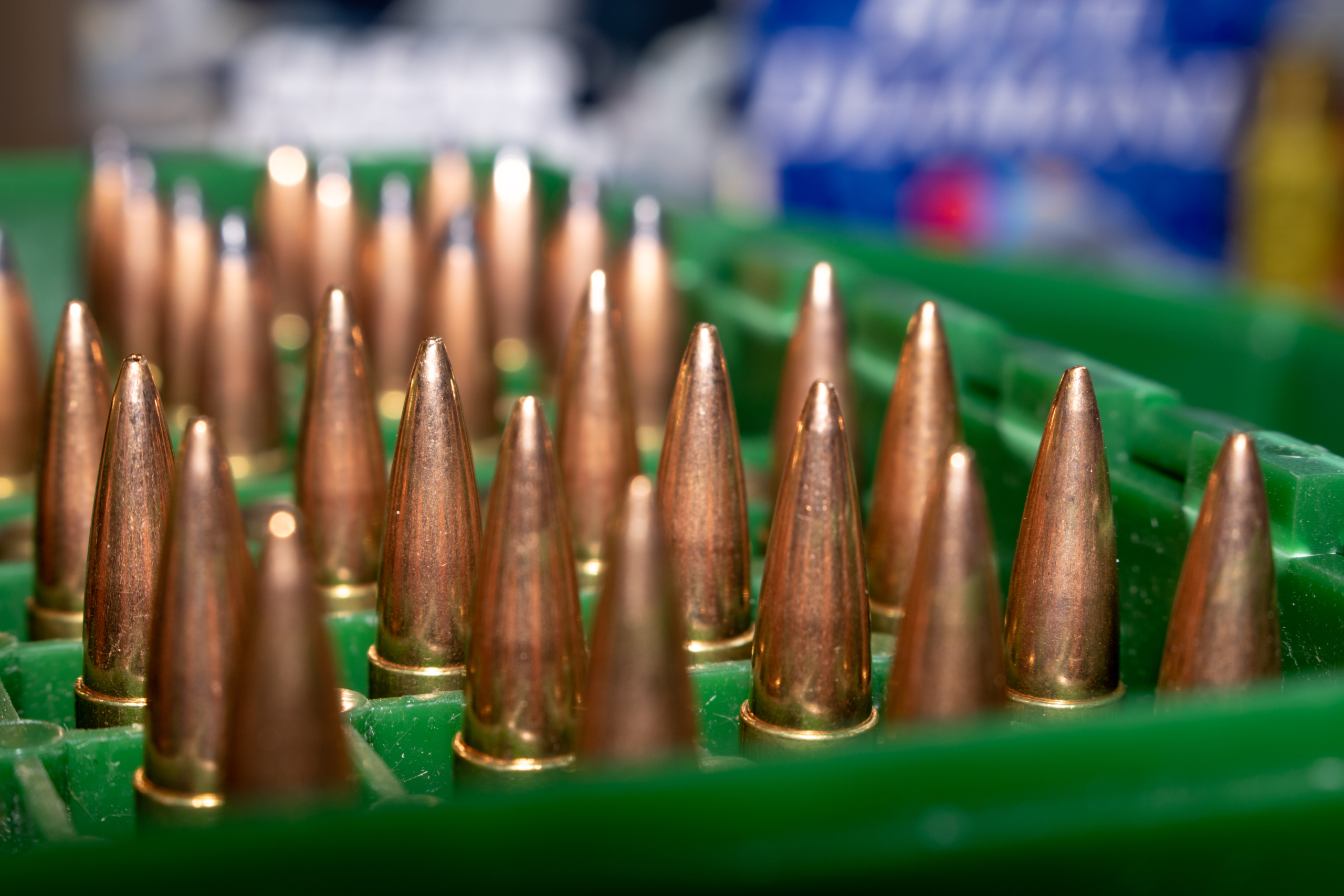
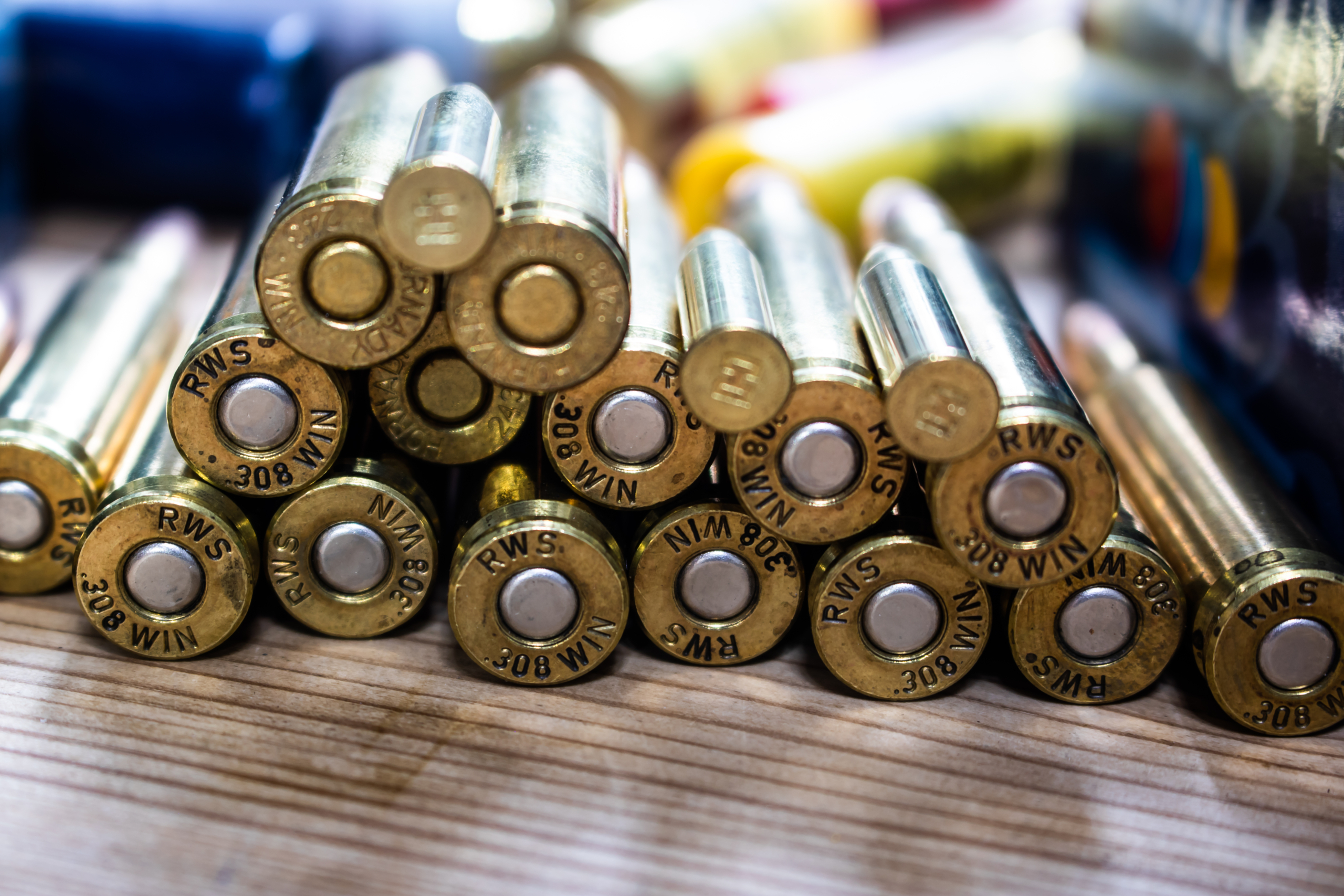
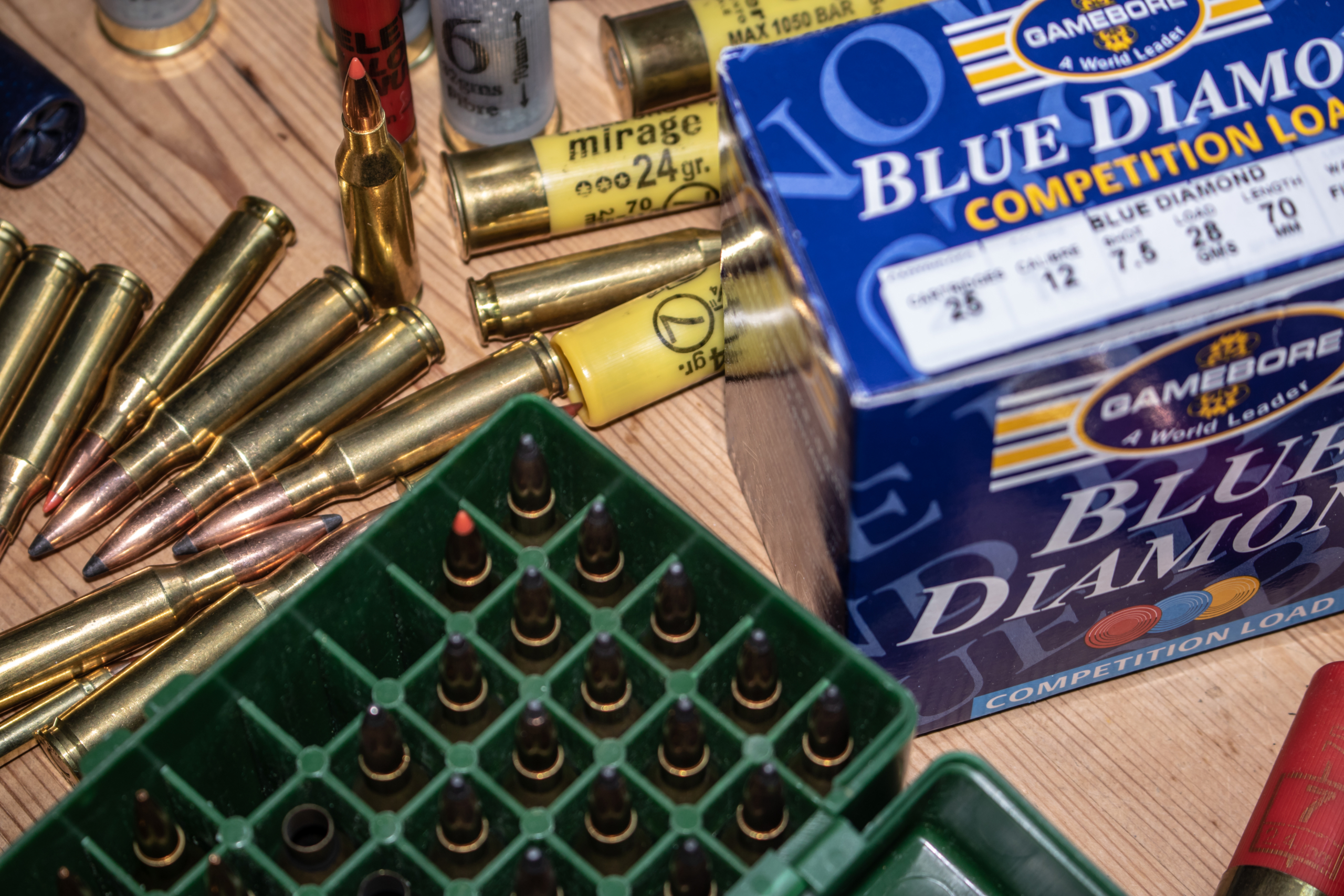
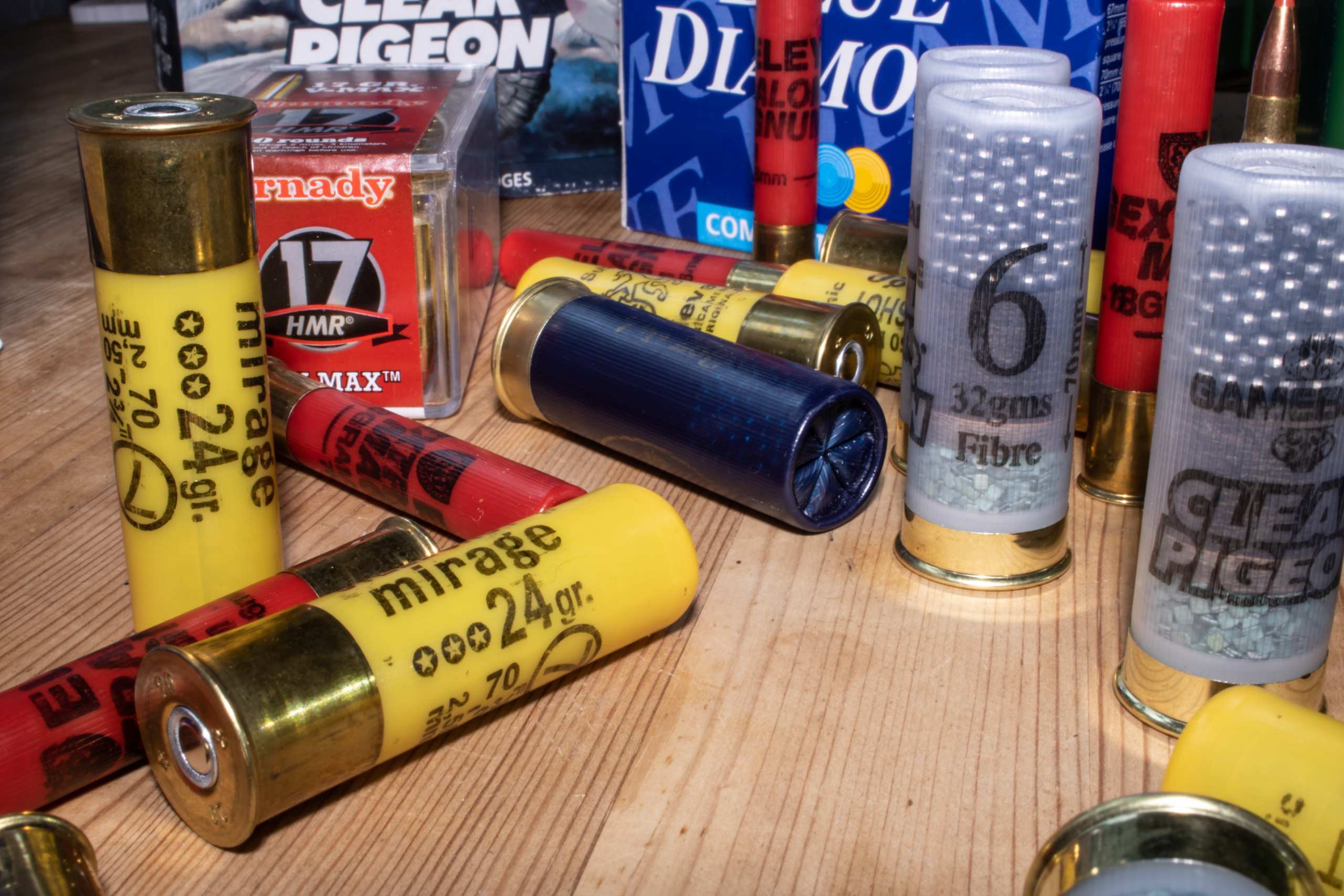
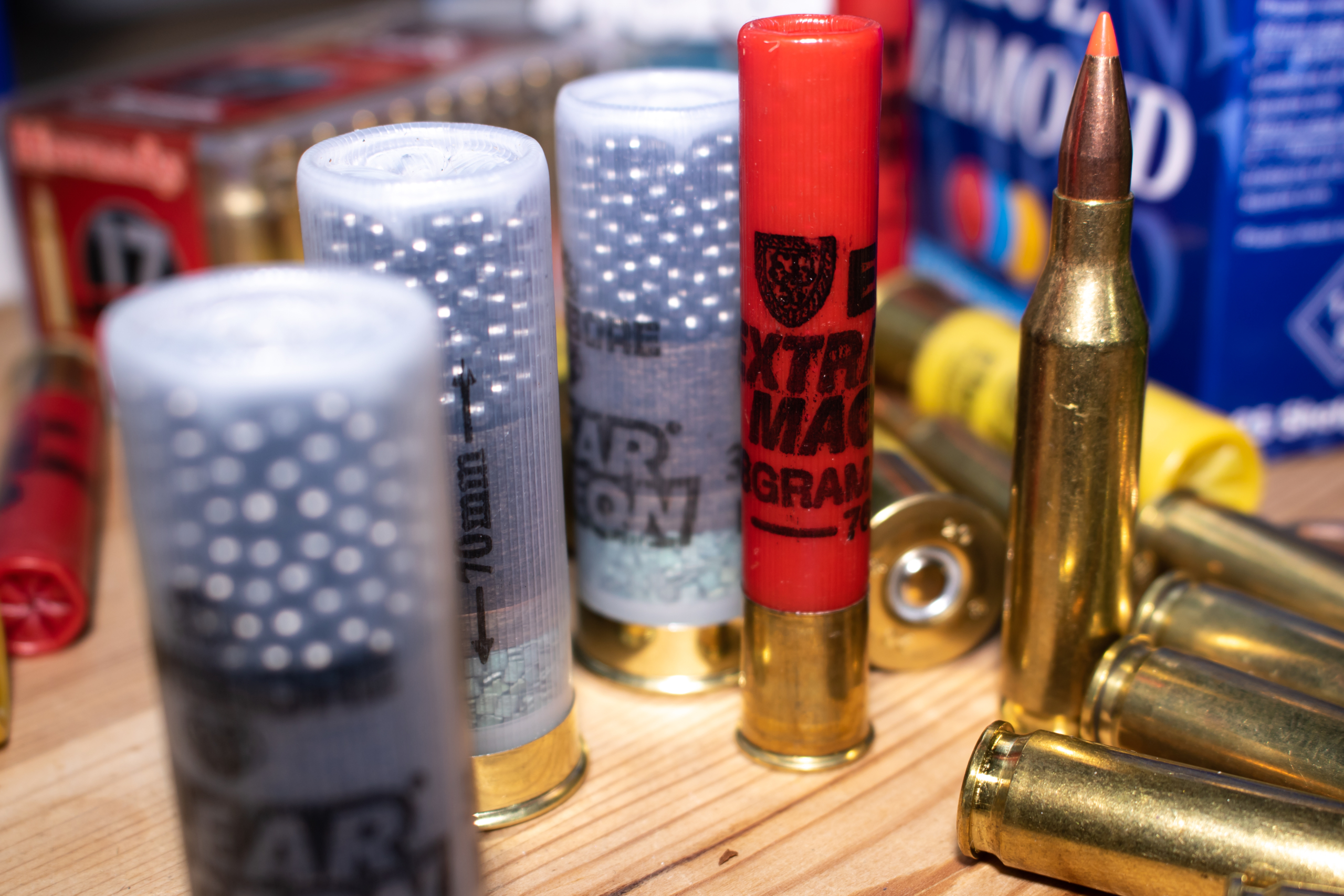
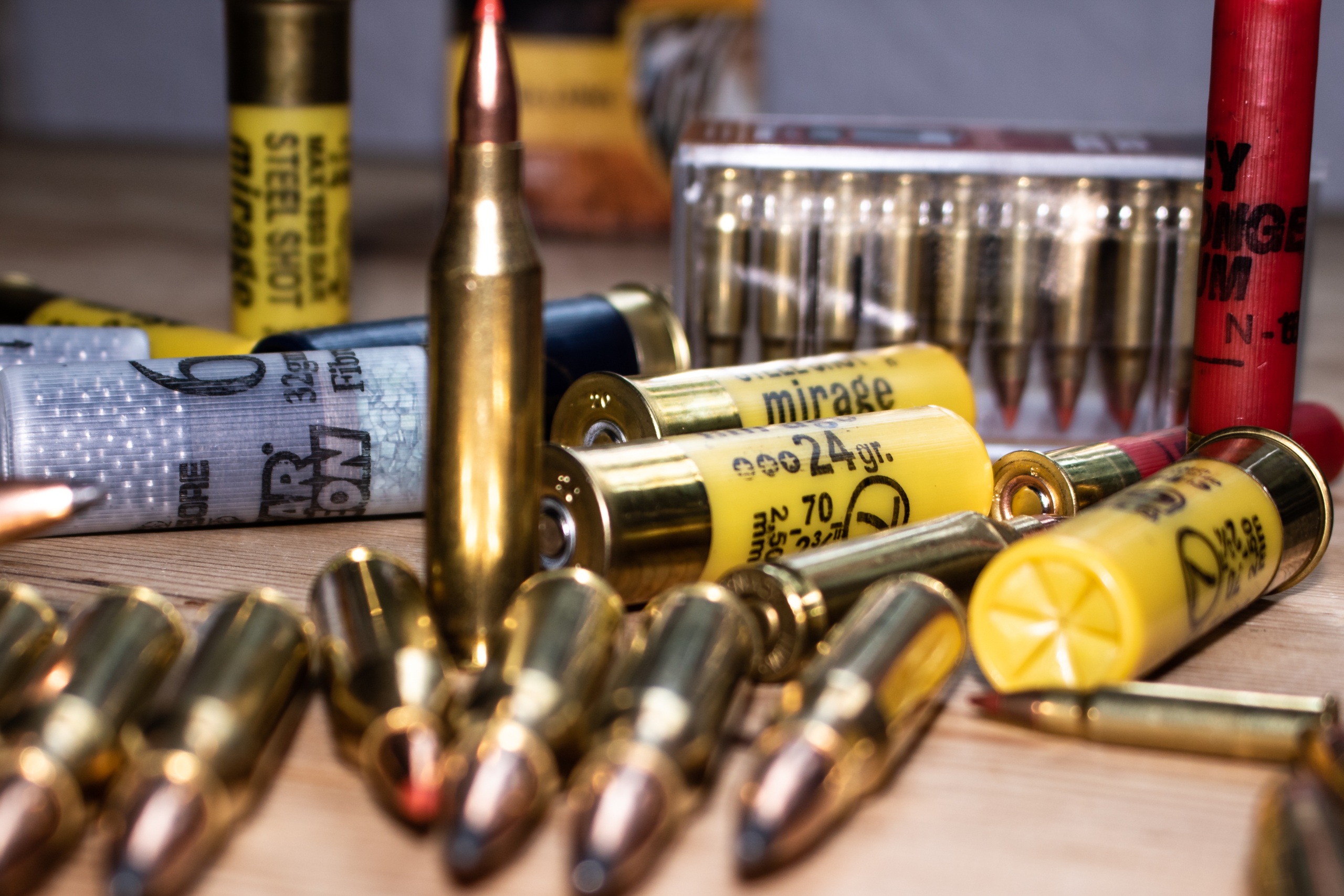
General Photos of Gun Ammunition
Gun ammunition is a crucial component of firearms, encompassing the cartridges or shells that enable shooting. Whether you’re a firearms enthusiast, hunter, or simply curious, understanding ammunition basics is key to responsible firearm use.
What is Gun Ammunition?
Ammunition refers to the projectiles and their accompanying components used in firearms. A standard cartridge includes:
- Bullet: The projectile expelled from the firearm.
- Case: The shell that holds all components together.
- Powder: The propellant that ignites to propel the bullet forward.
- Primer: The ignition source for the powder.
Shotgun shells differ slightly, using pellets or slugs as projectiles and a wad to separate the powder and shot.
Types of Ammunition
Gun ammunition varies based on the firearm type and intended purpose. Common categories include:
- Handgun Ammo: Compact and designed for pistols and revolvers, often used for self-defense and target shooting.
- Rifle Ammo: Known for high velocity and range, ideal for hunting, tactical use, and long-distance shooting.
- Shotgun Shells: Versatile ammunition used in hunting, sport shooting, and home defense.
Each type comes in various calibers (diameters) and configurations to suit different needs.
How Ammunition Works
When a firearm is fired, the primer ignites the powder inside the cartridge case. This creates gas pressure, forcing the bullet out of the barrel at high speed. For shotguns, the same process propels pellets or a slug.
Ammunition Safety Tips
- Storage: Keep ammo in a cool, dry, and secure location.
- Handling: Avoid physical damage and inspect for signs of corrosion or defects.
- Compatibility: Always match the ammunition to your firearm’s specifications.
Legal Considerations
Laws governing ammunition vary by region. Always check local, state, and federal regulations for purchasing, possessing, and transporting ammunition.
Fun Facts About Ammunition
- The concept of gunpowder dates back to 9th-century China.
- Modern ammunition has evolved to include specialized rounds like hollow points, tracers, and armor-piercing bullets.
- Ammunition calibers are measured in inches (e.g., .45 ACP) or millimeters (e.g., 9mm).
Understanding gun ammunition helps promote safe handling and responsible firearm use. Whether you’re a beginner or an expert, staying informed ensures you can approach firearms knowledgeably and respectfully.